

Central bank meetings are among the most important events on the forex calendar. A single sentence from the Federal Reserve, European Central Bank or Bank of Japan can move currencies by more than a typical day’s range in minutes. This guide explains what happens on a central bank day and how beginners can handle it safely.
Why central banks move currencies
Central banks set short-term interest rates. Higher rates (or the expectation of them) usually attract capital and strengthen a currency, while lower rates tend to weaken it. Because markets price in expectations ahead of time, the reaction depends on whether the decision and guidance are more hawkish or more dovish than expected.
Hawkish vs dovish: the key vocabulary
- Hawkish: leaning toward higher rates to fight inflation, usually positive for the currency.
- Dovish: leaning toward lower rates to support growth, usually negative for the currency.
- Hawkish hold: rates unchanged, but signals that hikes may come. This is what markets expect from the Fed this week.
The three phases of a central bank day
1. Before the decision: Markets often go quiet or drift as traders avoid big positions. Liquidity can be thin.
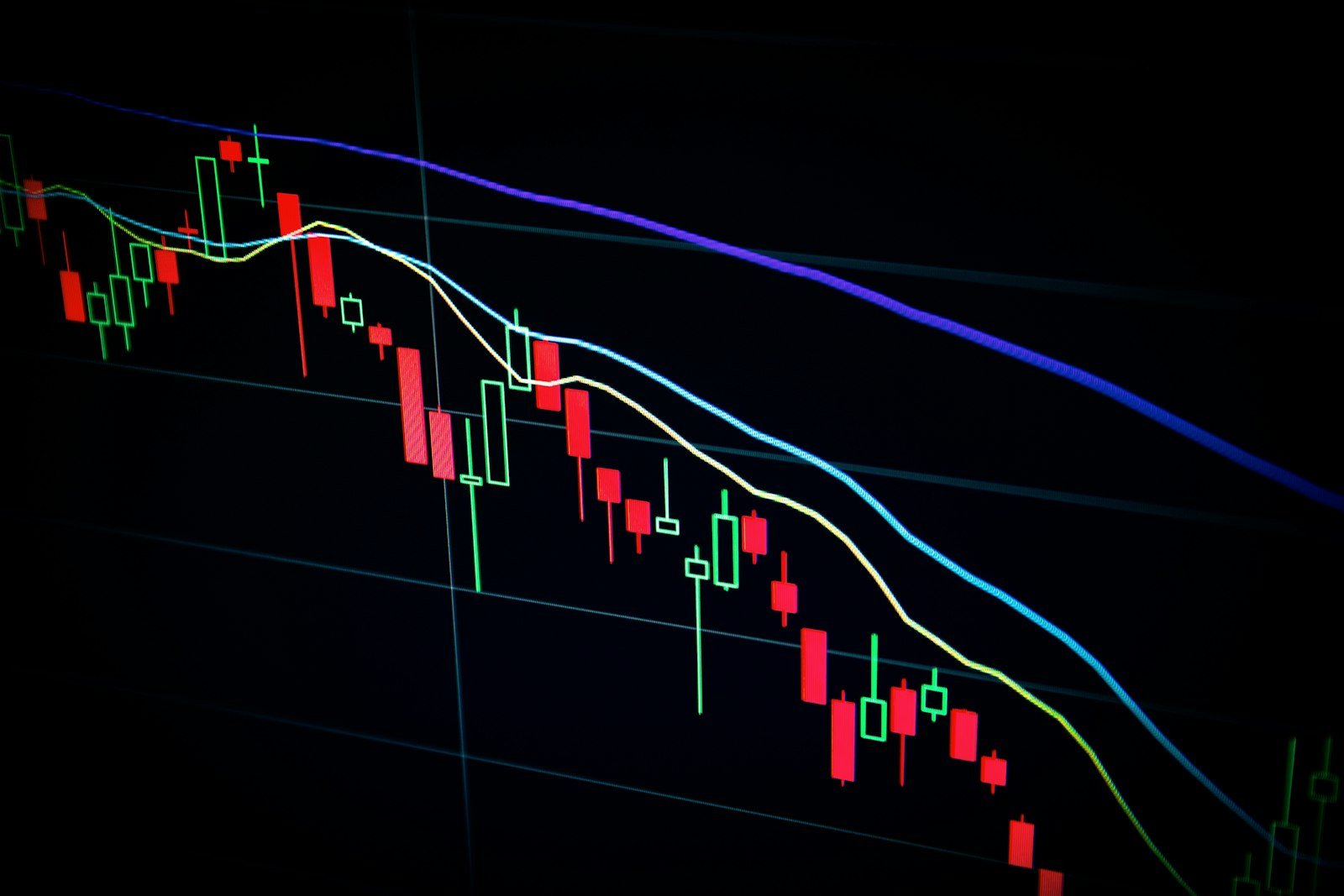
2. The announcement: The rate decision and statement are released. Spreads widen and price can spike in both directions within seconds.
3. The press conference: The governor’s comments often cause a second, sometimes bigger, move. The first reaction is frequently reversed here.
Three approaches for beginners
Stay out: Closing positions or not trading during the release is a perfectly valid strategy, especially for new traders.
Wait for the dust to settle: Let the first 15 to 30 minutes pass, then trade the direction that holds after the press conference, using normal risk rules.
Trade the trend afterward: A clear shift in policy outlook often creates a trend lasting days or weeks. This can be easier to trade than the initial spike.
Practical checklist
- Know the exact release time in your time zone.
- Check what the market expects (for example, using futures-implied probabilities like CME FedWatch).
- Reduce position size or widen stops, and accept that slippage can happen.
- Read the statement for changes in wording compared with the previous meeting.
- Avoid adding to losing positions in fast markets.
Example: this week’s super-week
The Fed (Wednesday), ECB (Thursday) and BoJ (Friday) all decide this week. All three are expected to hold rates, so the reaction will depend on their guidance. A trader in USD/JPY, for instance, faces two potential volatility events in three days. That is a good reason to trade smaller or wait for clarity.
Key takeaway: You don’t need to trade the announcement to benefit from central bank decisions. Understanding expectations and protecting your capital matters more than catching the first spike.
Disclaimer: This article is for informational and educational purposes only and does not constitute financial advice. Trading forex and CFDs carries a high level of risk and may not be suitable for all investors. Market levels quoted are approximate at the time of writing.