

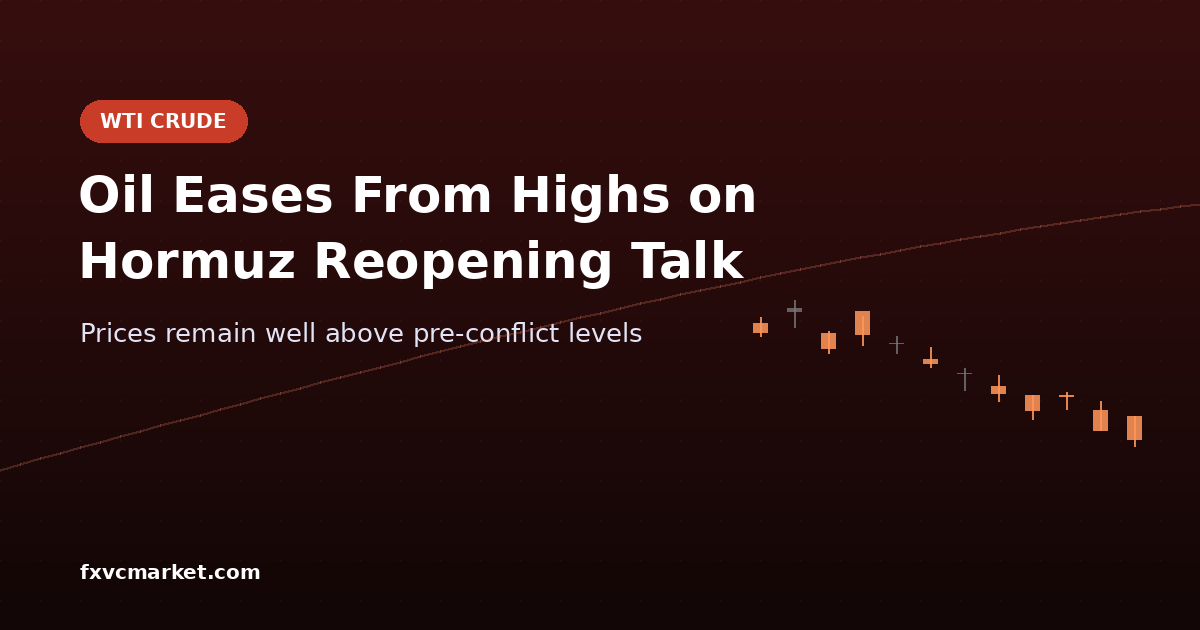
Crude has come off the boil — but only just. WTI eased to around $92.50 a barrel as reports emerged of potential negotiations to reopen the Strait of Hormuz and resume nuclear talks, a meaningful dip from earlier September highs, though prices remain well above pre-conflict levels.
How we got here
The scale of the disruption behind this year’s oil rally has been extraordinary. The International Energy Agency has described the closure of shipping routes through the Strait of Hormuz and Bab al-Mandab, along with the September 11 shutdown of the East-West Crude Oil Pipeline, as the largest supply disruption in the history of the global oil market — knocking a reported 39% of global trade and 31% of global shipments offline at the peak.
Brent and WTI both pushed through the $100 mark earlier this month as fighting between the U.S. and Iran resumed after a period of relative calm, with Brent gaining nearly 8% and WTI almost 10% in a single week amid attacks on shipping in the Gulf. U.S. diesel prices hit a record high in the process, and AAA data showed pump prices setting a Labor Day record as the conflict fed directly into consumer costs.
What the recent dip actually means
The pullback to the low-$90s doesn’t necessarily signal the crisis is over — it reflects cautious optimism that talks could ease the bottleneck, not confirmation that they will. Delegates at this month’s Asia Pacific Petroleum Conference in Singapore reportedly reached a blunter conclusion: that the standoff could persist for the remainder of the current U.S. administration’s term, meaning today’s elevated price levels may be closer to a new baseline than a temporary premium.
For traders, that combination — real de-escalation headlines against a “this could be structural” backdrop — is exactly the kind of setup that tends to keep oil volatility elevated in both directions.