

US government bond yields rose on Monday, 23 November 2026, led by short-dated Treasuries, as stocks rebounded sharply and New York Federal Reserve President John Williams said inflation remains too high. The 2-year yield, which is the most sensitive to Fed policy expectations, jumped more than 7 basis points to about 4.69%.
Key points
- 2-year Treasury yield: about 4.69%, up more than 7 basis points.
- 10-year yield: about 4.93%, up 2 basis points. 30-year yield: about 5.30%, little changed.
- Williams said inflation is “too high”, sees it near 3.5% this year and back at 2% only in 2028, and did not rule out hikes at consecutive meetings.
- Futures markets price roughly a 95% chance of a quarter-point Fed hike at the 8–9 December meeting.
What Williams said
Williams, who as New York Fed president holds a permanent vote on the Federal Open Market Committee, said the risks to inflation are tilted to the upside and that the Fed still has work to do. He projected inflation of about 3.5% this year and said he does not expect it to return to the Fed’s 2% target until 2028.
He was careful on the pace. Reports said he does not see a need for “dramatic action”, which markets read as ruling out a jumbo 50-basis-point move in December. At the same time, he said he would not exclude raising rates at back-to-back meetings if the data require it. He named investment in artificial intelligence as the most likely source of persistent inflation pressure.
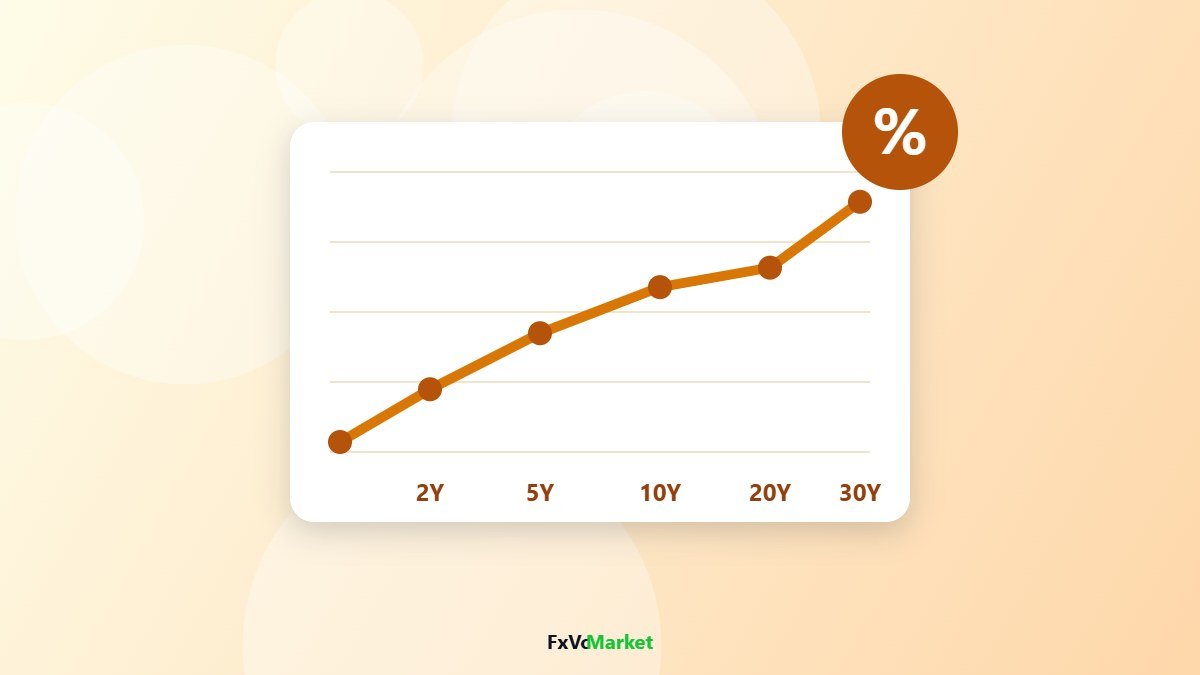
Where yields stand
| Maturity | Yield (23 Nov) | Change on the day |
|---|---|---|
| 2-year | ~4.69% | +7 bp |
| 10-year | ~4.93% | +2 bp |
| 30-year | ~5.30% | about unchanged |
The move reversed part of last week’s rally in bonds. The 10-year yield had briefly traded above 5% on 10 November after a hot October inflation report, then fell for five straight sessions to around 4.92%–4.95% by Friday as a sharp stock market selloff sent investors toward safer assets. Read more in our report on the CPI-driven bond selloff.
Monday’s pattern, with short-dated yields rising faster than long-dated ones, is typical when investors adjust their expectations for the next few Fed decisions rather than for long-run growth or inflation.
Why a December hike looks likely
- The Fed’s target range is 3.75%–4.00% after its last increase in September.
- Minutes of the Fed’s last meeting showed almost all officials backed further hikes; see our Fed minutes coverage.
- CME FedWatch data cited in market reports put the probability of a 25-basis-point increase in December at about 95%, with a small chance of 50 basis points.
New to the jargon? A basis point is one-hundredth of a percentage point. Our explainer on 25 vs 50 basis point rate hikes covers what each would mean.
What to watch this week
- Wednesday, 25 November, 8:30 a.m. ET: October PCE inflation data, the Fed’s preferred inflation gauge.
- Thursday, 26 November: US bond and stock markets are closed for Thanksgiving; trading is shortened on Friday.
- Further speeches from Fed officials before the pre-meeting quiet period.
For savers and borrowers, higher Treasury yields feed through to mortgage rates and savings rates. We explain how in what a 5% Treasury yield means for you.
Sources
- CNBC: 2-year Treasury yield jumps as stocks rebound
- Kitco / Reuters: Fed’s Williams says inflation still too high
- Yahoo Finance: Williams rules out jumbo rate hike for December
- Bloomberg: Bond investors expect more pain after week of soaring yields
This article is for information only and is not investment advice. Market data reflects reported closing or intraday levels at the time of writing and may be revised.
 Abdullah Munir